

 Humility is one of those things that I know is good for me but also one of those things that is so hard to put into practice. Our culture regularly drives us to “be number one!” Many of us have jobs that require an annual review in which we sum up all of the great things we did through the year.
And yet, humility is a foundational characteristic that is supposed to make up the Christian life. It is the quality Christ exuded when taking on humanity and dying on a cross. If Christians are supposed to make his character our own, then humility needs to be near the top of our own list of character development. For our own growth, humility begins with a proper recognition of our place in the universe. Isaiah 66:1-2 says:
“Heaven is my throne,
and the earth is my footstool.
Where is the house you will build for me?
Where will my resting place be?
Has not my hand made all these things,
and so they came into being?”
declares the Lord.
“These are the ones I look on with favor:
those who are humble and contrite in spirit,
and who tremble at my word.
Since God is the creator of the cosmos, what can we possibly bring to the table? Those questions are rhetorical. Our planet is a mere footstool for God (and the feet were not a clean and honorable part of the body in the Ancient Near East, which is why Peter freaked out when Jesus tried to wash the disciples’ feet). God doesn’t want us to feel down and depressed about how insignificant we are. This is, however, a call to recognize the greatness and grandness of God. A high view of God puts us on the right path to humility.
One we get that human/divine relationship understood, the next step is to look in the mirror and not think better of ourselves than we ought. Luke tells a story of Jesus in Luke 14:
One Sabbath, when Jesus went to eat in the house of a prominent Pharisee, he was being carefully watched…. When he noticed how the guests picked the places of honor at the table, he told them this parable: “When someone invites you to a wedding feast, do not take the place of honor, for a person more distinguished than you may have been invited.
If so, the host who invited both of you will come and say to you, ‘Give this person your seat.’ Then, humiliated, you will have to take the least important place. But when you are invited, take the lowest place, so that when your host comes, he will say to you, ‘Friend, move up to a better place.’ Then you will be honored in the presence of all the other guests. For all those who exalt themselves will be humbled, and those who humble themselves will be exalted.”
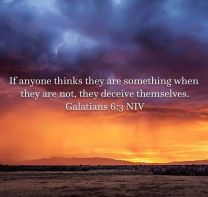 There’s a practical wisdom to Jesus’s words. It’s FAR better to choose humility than to have someone else thrust humility upon you! Don’t get so big-headed you think more highly of yourself than you ought. Instead, choose lowness and, if other people exalt you – score! If not, you’re no worse for the wear and can avoid the walk of shame when someone tells you you’re in a place for someone more important.
Finally, humility involves building others up. Paul writes in Philippians 2:
Do nothing out of selfish ambition or vain conceit. Rather, in humility value others above yourselves, not looking to your own interests but each of you to the interests of the others.
I would also contend that part of looking out for the interests of others includes not taking credit for an idea or action from another. Give proper credit where credit is due.
We’re not looking for false humility. That’s just pride in disguise. But a genuinely humble person who recognizes her place before God, who accurately sees himself in the mirror, and who honestly seeks to build up others, will be the kind of person who reflects the character of Christ.
 In the end, I gave her a simple version of the Westminster Catechism, “Baby girl, God made everyone to glorify and worship Him.”
 Even people who have never seen Forrest Gump have heard the expression, “Stupid is as stupid does.” It’s the way Forrest’s momma teaches him that real stupidity is not in intellect or how others judge you. Stupid people are revealed through their stupid behavior. People who DO smart things ARE smart people. People who do stupid things…well, you get the idea. And that concept is not unique to stupidity. It’s a truism of many facets of life. If you want to know about the character of a person, look at his actions. His behavior will out the truth. Smart people are those who DO smart things. Careful people are those who practice safety and care. Friendly people are those who behave as friends. In his first letter, John says it’s no different with spirituality and righteousness.
 This is no different spiritually. Our spiritual family is supposed to change the way we look and sound. God’s family is supposed to do godly things. We turn our backs on ungodly behavior. To paraphrase Forrest Gump, righteous is as righteous does. We are called to turn our backs on ungodly behavior. We’re either part of God’s family or part of the devil’s family.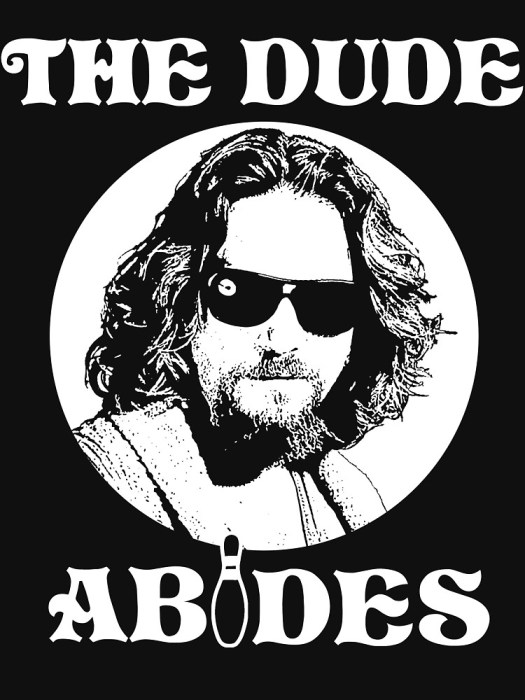
 While we all judge and are judged, it’s not SUPPOSED to be this way for those in God’s kingdom. We’re supposed to be above it. We’re supposed to let go of judging others. And most people know this. How often have you heard someone say, “Only God can judge me!”
 Judgment tears people down without building people up. Judgment is more concerned with the tiny fault in someone else than the massive fault in ourselves. This is why Jesus gives us this absurdly humorous illustration about a log sticking out of our face.
 Well, it doesn’t suck ALL the time. Just sometimes. But I don’t share about the crappy parts online. I only share about the good times – the times that make life seem good, happy, and perfect.
 Last week I read an article from Kyle Howard, a fellow contributor at
  It is no different when we’re talking about the church calendar. Yes, Lenten season is upon us. Catholics, Eastern Orthodox, and Anglicans observe Lent, but so do Lutherans, Methodists, and some Evangelical traditions.
 In the Bible, Paul says that certain days are special to one person and not to another (see Romans 14). The point is not to judge each other, but in Christian liberty allow for a wide variety of how we honor and celebrate Christ. Rather than lamenting the “Papal tradition” of Lent, Christians everywhere should commend other Christians who desire to set aside human appetites in order to give space for God’s work in their lives.
 What makes you joyful?
 ather changes, this could be a BIG deal for your sense of joy.
 We’ve arrived at the second week of Advent, the time of year we prepare our hearts for the coming of the Messiah at Christmas. This week we’re talking about hope. But what is hope? To many people, hope seems to be nothing more than a pipe dream – a wish.
 Chris Linzey